











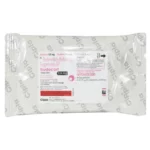






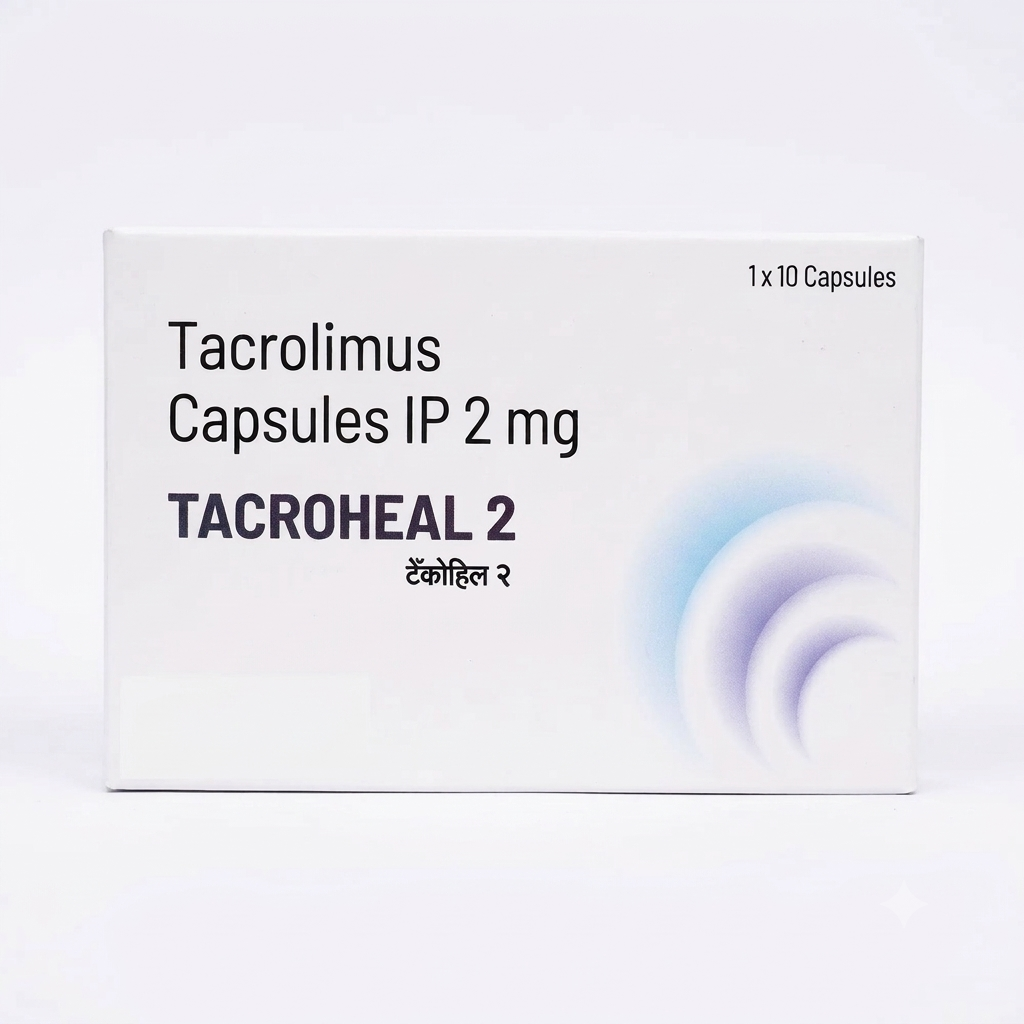
Tacroheal 2 Mg
Want to order in bulk / B2B price?
Every order ships with a tracking number. Standard delivery takes 12–15 days.
If your parcel doesn't arrive, choose a new package or a full refund.
Call +1 251-332-4105 or email [email protected].
Share
What Is Tacroheal 2 Mg?
Tacroheal 2 mg is an oral prescription medication containing 2 mg of tacrolimus, a calcineurin-inhibiting immunosuppressant manufactured by Healing Pharma. It is prescribed alongside other medications to prevent the immune system from rejecting a transplanted kidney, liver, or heart.
After an organ transplant, your immune system recognises the new organ as foreign and may try to attack it. Tacroheal 2 mg works by suppressing the activation of T-lymphocytes, the white blood cells responsible for this immune attack, and lowering cytokine production, helping the body accept the donor organ.
Tacroheal 2 mg is not a cure or a one-time treatment. It is a long-term medicine that must be taken every day, exactly as prescribed, for as long as your doctor considers it necessary. Stopping it suddenly can trigger organ rejection. Regular blood tests are required throughout treatment to monitor tacrolimus levels and ensure they stay within the safe and effective range.
What Is Tacroheal 2 Mg Used For?
Tacroheal 2 mg is indicated for the prophylaxis (prevention) of organ rejection in adult and paediatric patients receiving allogeneic liver, kidney, heart, or lung transplants. It is always used in combination with other immunosuppressant medicines; never as a standalone treatment.
Kidney Transplant
Used to support Liver Care by preventing the immune system from rejecting a transplanted kidney. The initial dose is usually administered within 24 hours of transplantation, once renal function has begun to recover.
Liver Transplant
Used to prevent rejection of a transplanted liver. The first dose is typically given no sooner than 6 hours after the transplant surgery.
Heart Transplant
Used to prevent rejection of a transplanted heart, in combination with azathioprine or mycophenolate mofetil (MMF).
How Does Tacroheal 2 Mg Work?
Tacroheal 2 mg works through a precise mechanism that calms the immune system’s attack on the transplanted organ:
Enters T-lymphocytes: After you swallow the capsule, tacrolimus is absorbed into the bloodstream and enters T-lymphocytes; the white blood cells that lead the immune response against transplanted organs.
Binds to calcineurin: Inside the T-cells, tacrolimus binds to a protein called FKBP-12, forming a complex that inhibits the enzyme calcineurin. Calcineurin is responsible for activating the genes that trigger T-cell immune responses.
Blocks interleukin-2 production: With calcineurin inhibited, the production of interleukin-2, a key signalling molecule that stimulates T-cell multiplication and activation; is significantly reduced. Without interleukin-2, the T-cells cannot mount an effective attack against the transplanted organ.
Lowers cytokine production: The overall production of inflammatory cytokines drops, reducing the immune system’s ability to coordinate a rejection response against the donor organ.
Helps the body accept the organ: By keeping the T-cell immune response suppressed, tacrolimus allows the transplanted organ to function in the body without being attacked, giving it the best chance of long-term survival.
How to Take Tacroheal 2 Mg
Taking Tacroheal correctly is critical to preventing organ rejection. Follow these steps:
Follow the prescribed dose exactly: Take Tacroheal 2 mg exactly as your doctor has prescribed. The dose is calculated based on your body weight, the type of transplant, and your blood tacrolimus levels. Do not change the dose on your own.
Consistent timing: Take the capsule at the same time every day to maintain steady medicine levels in your blood. Most patients take it twice daily, every 12 hours.
With or without food: You can take Tacroheal with or without food, but you must be consistent, always take it the same way. Changing between taking it with food and without food can affect how much medicine your body absorbs.
Swallow whole: Swallow the capsule whole with a glass of water. Do not crush, chew, or open the capsule.
Avoid grapefruit: Do not eat grapefruit or drink grapefruit juice while taking Tacroheal. Grapefruit can significantly increase tacrolimus levels in your blood and cause dangerous side effects.
Regular blood tests: Your doctor will order frequent blood tests to measure tacrolimus trough levels, kidney function, liver function, and blood counts. These tests are essential for safe treatment. Never skip them.
Tip:
- Take Tacroheal 2 mg exactly as prescribed and follow your healthcare professional’s instructions regarding timing and dosage.
Dosage Guide
Doses are adjusted based on clinical response, tolerability, and blood trough levels. Patients with hepatic or renal impairment should receive doses at the lowest end of the recommended range. Some patients may require higher doses based on genetic factors and ethnicity.
Missed Dose
If you miss a dose of Tacroheal 2 mg, take it as soon as you remember. However, if it is close to the time for your next scheduled dose, skip the missed one and continue with your regular schedule. Do not take two doses at once to make up for a missed dose. Missing doses can increase the risk of organ rejection, so try to take every dose on time. Contact your transplant team if you frequently miss doses.
Overdose
Taking more tacrolimus than prescribed can cause dangerously high blood levels, leading to kidney damage, neurological problems (tremor, confusion, seizures), severe high blood pressure, and high blood sugar. If you suspect an overdose, seek emergency medical treatment or contact your doctor immediately. Do not wait for symptoms to worsen.
Side Effects of Tacroheal 2 Mg
Like all immunosuppressant medicines, Tacroheal 2 mg can cause side effects. Not everyone experiences them, but some can be serious. Because tacrolimus suppresses the immune system, many side effects are related to reduced immunity and organ function.
Common Side Effects
These are reported most often and usually do not require urgent treatment unless they persist or worsen:
- Tremor (shaking or shakiness of hands)
- Headache
- High blood pressure (hypertension)
- Nausea and abdominal pain
- Insomnia (difficulty sleeping)
- Increased blood sugar (hyperglycemia)
- Abnormal kidney function (changes in blood test results)
- Peripheral oedema (swelling in the legs or ankles)
Serious Side Effects – Seek Emergency Help
Stop taking Tacroheal and seek immediate medical attention if you experience:
- Signs of severe infection
- Signs of kidney damage
- Neurotoxicity
- Severe allergic reaction
- High potassium levels (hyperkalemia)
- Thrombotic microangiopathy
- Pure red cell aplasia
Important
Tacrolimus can cause new-onset diabetes after transplant (NODAT). Your doctor will monitor your blood sugar levels, especially if you have risk factors for diabetes such as obesity or a family history. Report any signs of increased thirst, frequent urination, or unexplained weight loss to your doctor.
Who Should Avoid Tacroheal 2 Mg?
- Tacrolimus allergy: Avoid if allergic to tacrolimus or capsule ingredients.
- Cyclosporine use: Avoid combining unless specifically directed by a transplant specialist due to kidney risks.
Consult Your Doctor First If:
- Kidney disease: Tacrolimus may worsen kidney function.
- Liver disease: May increase tacrolimus levels in the blood.
- Diabetes: May raise blood sugar levels.
- High blood pressure: May increase blood pressure.
- Pregnancy: Discuss potential risks and benefits.
- Breastfeeding: Ask your doctor about potential risks to the infant.
Interactions and Medical Precautions
Tacroheal 2 mg contains tacrolimus, an immunosuppressant that can interact with several medicines and supplements.
Strong CYP3A4 inhibitors, such as clarithromycin and ketoconazole, may increase tacrolimus levels, while rifampicin and phenytoin may reduce its effectiveness. Grapefruit and grapefruit juice should be avoided.
Tacrolimus may also affect kidney function, potassium levels, and blood pressure. Inform your doctor about all medicines and supplements you take, and attend regular monitoring appointments. Do not change your dose without medical advice.
Important Safety Information
Regular Monitoring: Attend scheduled blood tests to check tacrolimus levels and monitor kidney function, electrolytes, and blood pressure.
Avoid Grapefruit: Do not consume grapefruit or grapefruit juice, as they can increase tacrolimus levels.
Check Other Medicines: Inform your doctor before starting any new medicine, supplement, or herbal product.
Prevent Infections: Practise good hygiene and avoid close contact with people who have contagious infections.
Sun Protection: Limit excessive sun exposure and use sunscreen, as tacrolimus may increase the risk of skin cancer.
Take Consistently: Take Tacroheal at the same time each day as prescribed. Do not change the dose or stop treatment on your own.
Vaccination: Consult your doctor before receiving any vaccine, especially live vaccines.
Remember:
- Do not share Tacroheal 2 mg with others, even if they have undergone a similar organ transplant, as treatment needs vary from person to person.
How to Buy Tacroheal 2 Mg Online
What to Check Before Buying
- Exact product name and strength
- Active ingredient (tacrolimus 2 mg) clearly listed
- Seller or pharmacy information available
- Prescription or consultation requirements
- Packaging and expiry information
- Shipping policy
- Refund policy
- Customer support availability
Buying From Pharmeasybank
Pharmeasybank provides Tacroheal 2 mg with clear product information, transparent pricing, and worldwide shipping. Product details, active ingredient information, and pack options are listed on this page so you can make an informed decision. Customer support is available to answer questions about orders, products, and delivery.
Tacroheal 2 Mg Price
The price of Tacroheal 2 mg depends on the selected pack size and any current offers. Check the available options on the product page for the latest pricing.
Important Prescribing Information
The prescribed strength of Tacroheal 2 mg should be verified against the patient’s treatment requirements and the product’s prescribing information. Tacrolimus dosing varies depending on the type of transplant, individual response, and blood drug levels.
This is an important safety consideration because excessive tacrolimus levels may increase toxicity risks, while insufficient levels may compromise treatment effectiveness.
The labelled strength alone does not determine the appropriate dose or expected outcome. Regular blood tests and medical monitoring help assess whether treatment remains suitable.
A qualified healthcare professional should review the patient’s medical history, current medicines, and potential interactions before making treatment decisions. This information is educational and does not replace professional medical advice.
Storage Instructions
Store Tacroheal 2 mg at room temperature between 15°C and 30°C (59°F and 86°F). Do not freeze. Keep the capsules in their original packaging until use to protect from light and moisture. Store away from direct sunlight, heat, and humidity. Do not store in the bathroom or near heat sources. Keep the medicine out of reach and sight of children and pets. Do not use after the expiry date printed on the packaging.
Additional information
| Quantity Value | 120 Tablet/s, 180 Tablet/s, 60 Tablet/s |
|---|
Related products
-
 $42.00 – $105.00Price range: $42.00 through $105.00 Choose Pack This product has multiple variants. The options may be chosen on the product page
-
 $90.00 – $230.00Price range: $90.00 through $230.00 Choose Pack This product has multiple variants. The options may be chosen on the product page
-
 $52.00 – $118.57Price range: $52.00 through $118.57 Choose Pack This product has multiple variants. The options may be chosen on the product page
-
 $80.00 – $250.00Price range: $80.00 through $250.00 Choose Pack This product has multiple variants. The options may be chosen on the product page
Reviews
There are no reviews yet.