var wc_single_product_params = {"i18n_required_rating_text":"Please select a rating","i18n_rating_options":["1 of 5 stars","2 of 5 stars","3 of 5 stars","4 of 5 stars","5 of 5 stars"],"i18n_product_gallery_trigger_text":"View full-screen image gallery","review_rating_required":"yes","flexslider":{"rtl":false,"animation":"slide","smoothHeight":true,"directionNav":true,"controlNav":"thumbnails","slideshow":false,"animationSpeed":500,"animationLoop":false,"allowOneSlide":false},"zoom_enabled":"1","zoom_options":[],"photoswipe_enabled":"1","photoswipe_options":{"shareEl":false,"closeOnScroll":false,"history":false,"hideAnimationDuration":0,"showAnimationDuration":0},"flexslider_enabled":"1"};
//# sourceURL=wc-single-product-js-extra
It also has activity against certain gram-negative organisms.
Important: Not all bacterial species or strains are susceptible to moxifloxacin. Antibiotic selection should consider clinical assessment and resistance patterns.
Moxifloxacin Eye Ointment Dosage and Administration
The appropriate dosage depends on the formulation, strength, infection severity, patient age, and prescriber’s instructions.
General Dosage Information
Dosage Information
Details
Active Ingredient
Moxifloxacin
Strength
Verify ointment label
Dosage Form
Ophthalmic Ointment
Administration Route
Into the lower eyelid pocket
Application Amount
As prescribed
Dosing Frequency
Formulation-specific
Treatment Duration
Depends on diagnosis and clinical response
Medical Supervision
Required
Important: Do not apply the dosing schedule of moxifloxacin 0.5% eye drops to an ointment without checking the ointment’s own prescribing instructions.
How to Apply Moxifloxacin Eye Ointment
Wash your hands thoroughly.
Check the medicine name and expiration date.
Confirm the affected eye.
Remove the tube cap carefully.
Avoid touching the tube tip.
Tilt your head slightly backward.
Gently pull down the lower eyelid.
Look upward.
Hold the tube near the lower eyelid without touching the eye.
Apply the prescribed amount of ointment into the lower eyelid pocket.
Release the lower eyelid gently.
Close the eye for a short period.
Avoid rubbing the eye.
Wipe away excess ointment with a clean tissue if needed.
Repeat in the other eye only if prescribed.
Replace the cap immediately.
Avoid contaminating the tube tip.
Wash your hands after application.
Follow the prescribed treatment schedule.
Complete the prescribed course unless your healthcare professional instructs otherwise.
Can Contact Lenses Be Worn During Treatment?
Contact lenses should generally not be worn during an active bacterial eye infection.
Follow the eye-care professional’s instructions before resuming lens use.
What If a Dose Is Missed?
Apply the missed dose when remembered unless it is nearly time for the next scheduled application.
Do not apply extra ointment to compensate for a missed dose.
Can Moxifloxacin Eye Ointment Be Used Daily?
Yes, when prescribed for a specific treatment period.
Do not use antibiotic eye ointment indefinitely without medical supervision.
Can Moxifloxacin Eye Ointment Be Used With Eye Drops?
An ophthalmologist may prescribe both eye drops and ointment.
When multiple ophthalmic medicines are prescribed, eye drops are generally applied before ointment, with an appropriate interval between products.
Follow the prescriber’s instructions.
How Long Does Moxifloxacin Eye Ointment Take to Work?
Moxifloxacin begins exerting antibacterial activity after reaching susceptible bacteria.
Noticeable improvement in uncomplicated bacterial conjunctivitis may occur within a few days.
However, the response depends on the infection, bacterial susceptibility, and treatment adherence.
Severe infections or corneal involvement may require more intensive treatment and close monitoring.
Seek medical reassessment if symptoms worsen or fail to improve as expected.
Common Side Effects
Possible side effects include:
Temporary blurred vision
Eye irritation
Mild burning
Stinging
Redness
Itching
Watery eyes
Eye discomfort
Foreign-body sensation
Mild eyelid irritation
Temporary visual disturbance
Allergic reactions
Not every patient experiences these effects.
Potentially Harmful Effects & Serious Health Risks
1. Severe Hypersensitivity
Rare allergic reactions may cause swelling, rash, or breathing difficulty.
2. Persistent Eye Irritation
Severe or worsening irritation requires medical evaluation.
3. Corneal Complications
Untreated or inadequately treated corneal infections may lead to scarring and vision loss.
4. Antibiotic Resistance
Unnecessary or inappropriate use may contribute to bacterial resistance.
5. Secondary Infection
Prolonged antibiotic use may allow the overgrowth of nonsusceptible organisms, including fungi.
6. Severe Eye Pain
Severe pain may indicate a serious underlying ocular condition.
7. Persistent Vision Changes
Worsening or persistent blurred vision requires prompt assessment.
8. Significant Eye Swelling
Marked swelling may indicate infection progression or hypersensitivity.
9. Treatment Failure
Resistant organisms or an incorrect diagnosis may prevent improvement.
10. Contamination-Related Infection
A contaminated ointment tube may introduce microorganisms into the eye.
Emergency warning: Seek urgent ophthalmic assessment for severe eye pain, reduced vision, marked light sensitivity, a white spot on the cornea, or rapidly worsening symptoms.
Contraindications & Safety Precautions
1. Hypersensitivity
Do not use if allergic to moxifloxacin, other quinolones, or any formulation component.
2. Viral Eye Infections
Moxifloxacin does not treat viral conjunctivitis.
3. Fungal Eye Infections
It does not treat fungal eye infections.
4. Allergic Conjunctivitis
Antibiotics are not appropriate for uncomplicated allergic conjunctivitis.
5. Contact Lens Use
Avoid contact lenses during active bacterial eye infections.
var kirkiViewports = {"md":{"value":1200,"scale":1,"minWidth":1200,"maxWidth":1200,"title":"Desktop","icon":"desktop","activeIcon":"desktop-hover","id":"md","type":"max"},"tablet":{"value":1199,"scale":1,"minWidth":1199,"maxWidth":1199,"title":"Tablet","icon":"tablet-default","activeIcon":"tablet-hover","type":"max","id":"tablet"},"mobile":{"value":767,"scale":1,"minWidth":767,"maxWidth":767,"title":"Phone","icon":"phone-vr-default","activeIcon":"phone-vr-hover","type":"max","id":"mobile"}};
var kirkiCSSVariable = {"data":[{"title":"Colors","key":"color","modes":[{"title":"Default","key":"default"}],"variables":[]},{"title":"Numbers","key":"size","modes":[{"title":"Default","key":"default"}],"variables":[]},{"title":"Text Styles","key":"text-style","modes":[{"title":"Default","key":"default"}],"variables":[]},{"title":"Font Family","key":"font-family","modes":[{"title":"Default","key":"default"}],"variables":[]}]};
var elementorFrontendConfig = {"environmentMode":{"edit":false,"wpPreview":false,"isScriptDebug":false},"i18n":{"shareOnFacebook":"Share on Facebook","shareOnX":"Share on X","pinIt":"Pin it","download":"Download","downloadImage":"Download image","fullscreen":"Fullscreen","zoom":"Zoom","share":"Share","playVideo":"Play Video","previous":"Previous","next":"Next","close":"Close","a11yCarouselPrevSlideMessage":"Previous slide","a11yCarouselNextSlideMessage":"Next slide","a11yCarouselFirstSlideMessage":"This is the first slide","a11yCarouselLastSlideMessage":"This is the last slide","a11yCarouselPaginationBulletMessage":"Go to slide"},"is_rtl":false,"breakpoints":{"xs":0,"sm":480,"md":768,"lg":1025,"xl":1440,"xxl":1600},"responsive":{"breakpoints":{"mobile":{"label":"Mobile Portrait","value":767,"default_value":767,"direction":"max","is_enabled":true},"mobile_extra":{"label":"Mobile Landscape","value":880,"default_value":880,"direction":"max","is_enabled":false},"tablet":{"label":"Tablet Portrait","value":1024,"default_value":1024,"direction":"max","is_enabled":true},"tablet_extra":{"label":"Tablet Landscape","value":1200,"default_value":1200,"direction":"max","is_enabled":false},"laptop":{"label":"Laptop","value":1366,"default_value":1366,"direction":"max","is_enabled":false},"widescreen":{"label":"Widescreen","value":2400,"default_value":2400,"direction":"min","is_enabled":false}},"hasCustomBreakpoints":false},"version":"4.4.0","is_static":false,"experimentalFeatures":{"e_font_icon_svg":true,"additional_custom_breakpoints":true,"container":true,"theme_builder_v2":true,"e_mcp_revision_snapshots":true,"nested-elements":true,"import-export-customization":true,"e_pro_atomic_form":true,"e_pro_collection_loop":true,"mega-menu":true,"e_pro_variables":true,"e_pro_interactions":true},"urls":{"assets":"https:\/\/easyrxdrug.com\/wp-content\/plugins\/elementor\/assets\/","ajaxurl":"https:\/\/easyrxdrug.com\/wp-admin\/admin-ajax.php","uploadUrl":"https:\/\/easyrxdrug.com\/wp-content\/uploads"},"nonces":{"floatingButtonsClickTracking":"ec621973a0","atomicFormsSendForm":"008008087d"},"swiperClass":"swiper","settings":{"page":[],"editorPreferences":[]},"kit":{"active_breakpoints":["viewport_mobile","viewport_tablet"],"global_image_lightbox":"yes","lightbox_enable_counter":"yes","lightbox_enable_fullscreen":"yes","lightbox_enable_zoom":"yes","lightbox_enable_share":"yes","lightbox_title_src":"title","lightbox_description_src":"description","woocommerce_notices_elements":[]},"post":{"id":20852,"title":"Moxifloxacin%20Eye%20Ointment%20-%20EasyRxDrug","excerpt":"","featuredImage":"https:\/\/easyrxdrug.com\/wp-content\/uploads\/2026\/11\/Moxifloxacin-Eye-Ointment-Tube-1024x341.webp"}};
//# sourceURL=elementor-frontend-js-before
var erxCart = {"refreshUrl":"/?wc-ajax=get_refreshed_fragments","qtyUrl":"/?wc-ajax=erx_cart_qty","i18n":{"item":"item","items":"items","error":"Could not update your cart. Please try again."}};
//# sourceURL=erx-cart-js-extra
var erxPP = {"ajaxUrl":"/?wc-ajax=add_to_cart","cartUrl":"https://easyrxdrug.com/cart/","checkoutUrl":"https://easyrxdrug.com/checkout/","currency":{"symbol":"$","decimals":2,"pos":"left"},"i18n":{"add":"Add to cart","added":"\u2713 Added to cart","error":"Could not add to cart. Please try again.","close":"Close","choose":"Choose pack size"}};
//# sourceURL=erx-product-js-extra
var gglcptch = {"options":{"version":"v2","sitekey":"6LdChI0oAAAAAE5UwhXqAHlTe_8Mi-6wUovqU909","error":"\u003Cstrong\u003EWarning\u003C/strong\u003E: More than one reCAPTCHA has been found in the current form. Please remove all unnecessary reCAPTCHA fields to make it work properly.","disable":0,"theme":"light"},"vars":{"visibility":false}};
//# sourceURL=gglcptch_script-js-extra
var wpforms_settings = {"val_required":"This field is required.","val_email":"Please enter a valid email address.","val_email_suggestion":"Did you mean {suggestion}?","val_email_suggestion_title":"Click to accept this suggestion.","val_email_restricted":"This email address is not allowed.","val_number":"Please enter a valid number.","val_number_positive":"Please enter a valid positive number.","val_minimum_price":"Amount entered is less than the required minimum.","val_confirm":"Field values do not match.","val_checklimit":"You have exceeded the number of allowed selections: {#}.","val_limit_characters":"{count} of {limit} max characters.","val_limit_words":"{count} of {limit} max words.","val_limit_min_characters":"Minimum is {min} characters. Characters needed: {needed}.","val_limit_min_words":"Minimum is {min} words. Words needed: {needed}.","val_limit_between_characters_needed":"Between {min} and {max} characters. Characters needed: {needed}","val_limit_between_characters_remaining":"Between {min} and {max} characters. Characters remaining: {remaining}","val_limit_between_words_needed":"Between {min} and {max} words. Words needed: {needed}","val_limit_between_words_remaining":"Between {min} and {max} words. Words remaining: {remaining}","val_min":"Please enter a value greater than or equal to {0}.","val_max":"Please enter a value less than or equal to {0}.","val_recaptcha_fail_msg":"Google reCAPTCHA verification failed, please try again later.","val_turnstile_fail_msg":"Cloudflare Turnstile verification failed, please try again later.","val_inputmask_incomplete":"Please fill out the field in required format.","uuid_cookie":"","locale":"en","country":"","country_list_label":"Country list","wpforms_plugin_url":"https:\/\/easyrxdrug.com\/wp-content\/plugins\/wpforms-lite\/","gdpr":"","ajaxurl":"https:\/\/easyrxdrug.com\/wp-admin\/admin-ajax.php","mailcheck_enabled":"1","mailcheck_domains":[],"mailcheck_toplevel_domains":["dev"],"is_ssl":"1","nonce":"a4074b18be","currency_code":"USD","currency_thousands":",","currency_decimals":"2","currency_decimal":".","currency_symbol":"$","currency_symbol_pos":"left","val_requiredpayment":"Payment is required.","val_creditcard":"Please enter a valid credit card number.","css_vars":["field-border-radius","field-border-style","field-border-size","field-background-color","field-border-color","field-text-color","field-menu-color","label-color","label-sublabel-color","label-error-color","button-border-radius","button-border-style","button-border-size","button-background-color","button-border-color","button-text-color","page-break-color","background-image","background-position","background-repeat","background-size","background-width","background-height","background-color","background-url","container-padding","container-border-style","container-border-width","container-border-color","container-border-radius","field-size-input-height","field-size-input-spacing","field-size-font-size","field-size-line-height","field-size-padding-h","field-size-checkbox-size","field-size-sublabel-spacing","field-size-icon-size","label-size-font-size","label-size-line-height","label-size-sublabel-font-size","label-size-sublabel-line-height","button-size-font-size","button-size-height","button-size-padding-h","button-size-margin-top","container-shadow-size-box-shadow"],"isModernMarkupEnabled":"1","formErrorMessagePrefix":"Form error message","submitBtnDisabled":"Submit button is disabled during form submission.","readOnlyDisallowedFields":["captcha","map","content","divider","hidden","html","entry-preview","pagebreak","payment-total"],"error_updating_token":"Error updating token. Please try again or contact support if the issue persists.","network_error":"Network error or server is unreachable. Check your connection or try again later.","token_cache_lifetime":"86400","hn_data":{"20165":8},"analytics_composite_field_types":["name","address","date-time","email","password","paypal-commerce"],"analytics_base64":"1","address_field":{"list_countries_without_states":["GB","DE","CH","NL"]}}


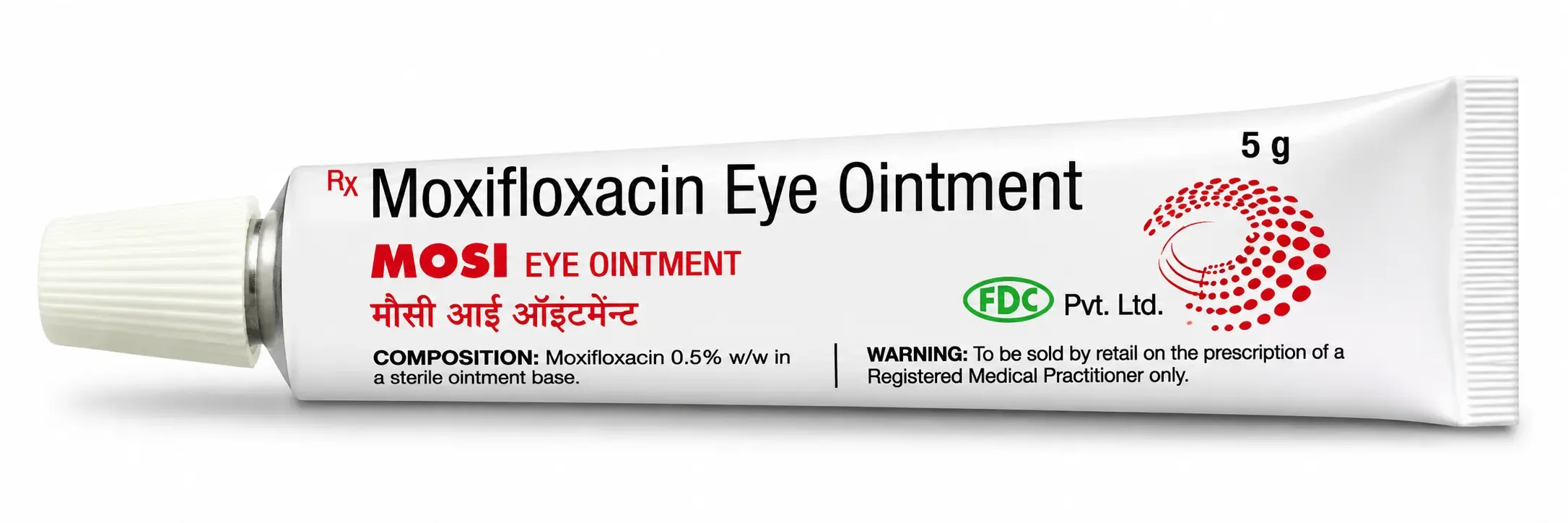
 $73.00 – $800.00Price range: $73.00 through $800.00 Choose Pack This product has multiple variants. The options may be chosen on the product page


Reviews
There are no reviews yet.