





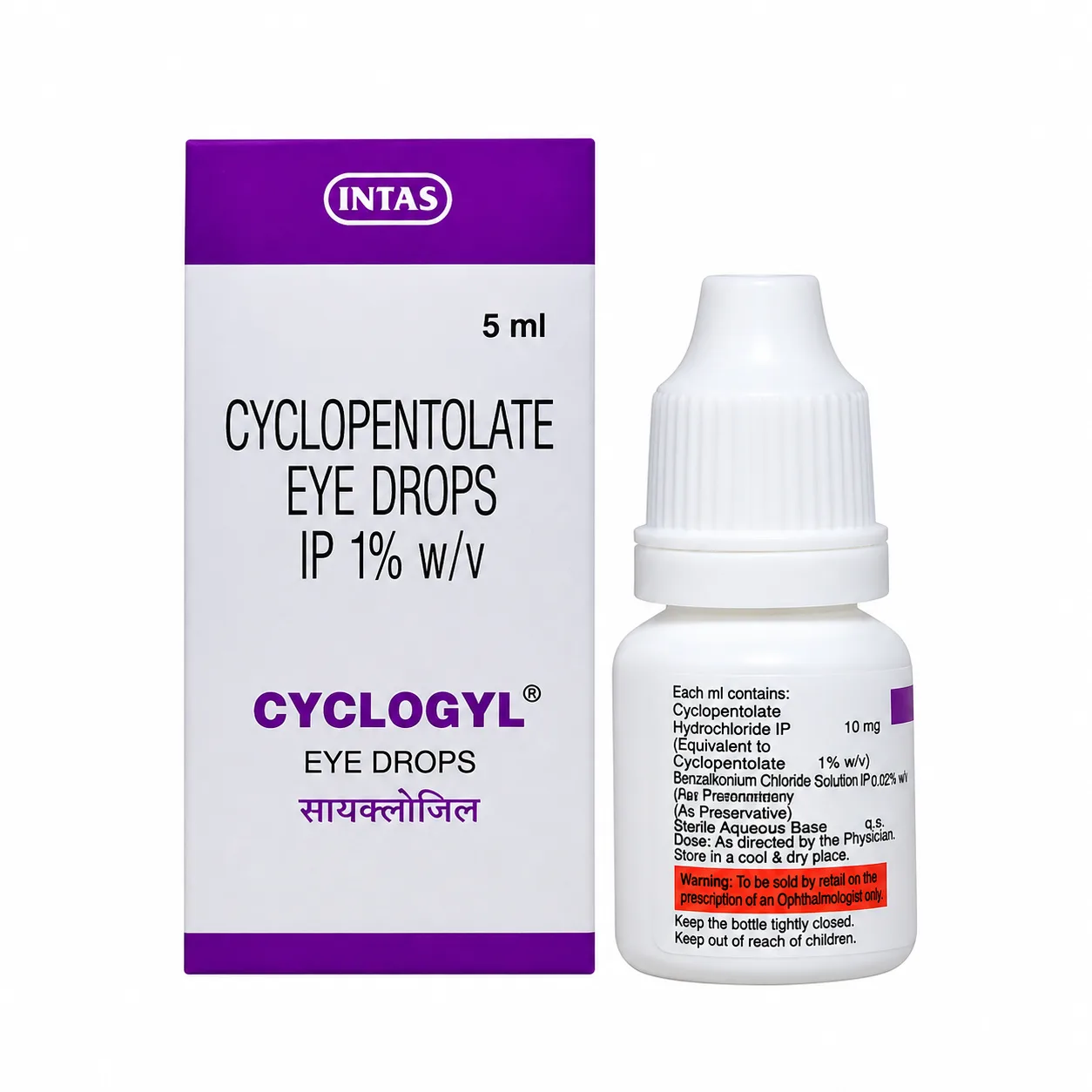
Cyclogyl Eye Drop (Cyclopentolate)
Want to order in bulk / B2B price?
Every order ships with a tracking number. Standard delivery takes 12–15 days.
If your parcel doesn't arrive, choose a new package or a full refund.
Call +1 251-332-4105 or email [email protected].
Share
What Is Cyclogyl Eye Drops?
Cyclogyl Eye Drops contains Cyclopentolate Hydrochloride, an anticholinergic ophthalmic medicine primarily used to dilate the pupil and temporarily relax the focusing muscles of the eye.
It is commonly administered by ophthalmologists during eye examinations and diagnostic procedures that require a clear view of the internal structures of the eye.
Cyclogyl produces two important effects:
- Mydriasis: Temporary dilation or enlargement of the pupil.
- Cycloplegia: Temporary paralysis of the eye’s accommodation mechanism, preventing the eye from focusing on nearby objects.
These effects help ophthalmologists perform accurate refractive examinations, particularly in children and patients whose focusing muscles may interfere with vision measurements.
Cyclopentolate may also be prescribed in selected inflammatory eye conditions, such as anterior uveitis, to relieve ciliary muscle spasm and help prevent certain iris adhesions.
How Does Cyclogyl Eye Drops Work?
Cyclogyl contains Cyclopentolate Hydrochloride, a muscarinic receptor antagonist.
It works by temporarily blocking the effects of acetylcholine on specific muscles inside the eye.
1. Pupil Dilation (Mydriasis)
Cyclopentolate blocks muscarinic receptors in the iris sphincter muscle.
This prevents normal pupil constriction, allowing the pupil to become larger.
A dilated pupil helps the ophthalmologist examine the retina, optic nerve, and other internal eye structures.
2. Relaxation of the Focusing Muscle (Cycloplegia)
Cyclopentolate also acts on the ciliary muscle, temporarily preventing accommodation.
This allows more accurate measurement of refractive errors, particularly in children and young adults.
3. Relief of Ciliary Muscle Spasm
In selected cases of anterior uveitis, cyclopentolate may help reduce pain associated with ciliary muscle spasm.
Uses of Cyclogyl Eye Drops
Cyclogyl may be prescribed for:
- Pupil dilation during ophthalmic examinations.
- Cycloplegic refraction.
- Accurate measurement of refractive errors.
- Eye examinations in children.
- Assessment of internal eye structures.
- Selected diagnostic ophthalmic procedures.
- Management of anterior uveitis when prescribed by an ophthalmologist.
- Relief of ciliary muscle spasm associated with certain inflammatory eye conditions.
- Prevention of posterior synechiae in selected cases of anterior uveitis.
Cyclogyl is not a general-purpose eye lubricant or redness-relief medicine.
How to Use Cyclogyl Eye Drops
- Use only under the direction of an ophthalmologist.
- Wash your hands before applying the drops.
- Tilt your head backward and gently pull down the lower eyelid.
- Instill the prescribed number of drops into the affected eye.
- Avoid touching the dropper tip to the eye, fingers, or other surfaces.
- Close the eye gently after application.
- Apply gentle pressure to the inner corner of the eye for two to three minutes to reduce systemic absorption.
- Follow your ophthalmologist’s instructions regarding repeat doses.
- Avoid driving until your vision and focusing ability return to normal.
Commonly Recommended Dosage: For diagnostic pupil dilation and cycloplegia, Cyclogyl 1% is often administered as one or two drops, with repeat administration when necessary under professional supervision.
The exact dosage depends on the patient’s age, examination requirements, and clinical condition.
Important: Children, particularly infants and young children, may be more susceptible to systemic anticholinergic side effects. Pediatric dosing requires special care.
Common Side Effects
Possible side effects include:
- Temporary blurred vision
- Sensitivity to bright light
- Eye irritation
- Mild burning or stinging
- Eye redness
- Temporary difficulty focusing on nearby objects
- Watery eyes
- Mild eye discomfort
- Temporary pupil enlargement
- Increased intraocular pressure in susceptible patients
Blurred near vision and light sensitivity are expected effects of pupil dilation and cycloplegia.
Serious Side Effects
Seek immediate medical attention if you experience:
- Severe eye pain
- Sudden vision deterioration
- Severe headache with eye redness
- Nausea or vomiting associated with eye pain
- Confusion or unusual behavior
- Hallucinations
- Severe agitation
- Rapid heartbeat
- Fever or pronounced flushing
- Difficulty breathing
- Seizures
- Severe allergic reactions
Important: Cyclopentolate can occasionally cause systemic anticholinergic toxicity, particularly in children and susceptible individuals.
Symptoms may include behavioral changes, confusion, hallucinations, increased body temperature, and rapid heartbeat.
Contraindications & Precautions
Before using Cyclogyl Eye Drops, inform your healthcare professional if you have:
- Narrow-angle glaucoma or anatomically narrow anterior chamber angles.
- A history of increased intraocular pressure.
- Allergy to Cyclopentolate or other ingredients.
- Neurological disorders.
- A history of seizures.
- Heart rhythm abnormalities.
- Recent eye surgery.
- Active eye inflammation or infection.
- Pregnancy or breastfeeding.
- Other prescribed ophthalmic medicines.
Glaucoma: Cyclogyl may trigger an acute rise in intraocular pressure in patients with narrow anterior chamber angles. It is contraindicated in untreated narrow-angle glaucoma.
Children: Young children may experience systemic anticholinergic effects, including behavioral disturbances, confusion, and changes in body temperature.
Driving and Machinery: Cyclogyl temporarily affects near focusing and may cause blurred vision and light sensitivity. Avoid driving or operating machinery until normal vision returns.
Contact Lenses: Follow your ophthalmologist’s advice regarding contact lens removal and reinsertion. Preservatives in some formulations may interact with soft contact lenses.
Pregnancy and Breastfeeding: Use only when the potential benefit justifies the risk, as determined by a healthcare professional.
Advantages
- Produces effective pupil dilation for eye examinations.
- Temporarily relaxes the focusing muscles.
- Supports accurate cycloplegic refraction.
- Useful in pediatric ophthalmic examinations.
- Helps ophthalmologists examine internal eye structures.
- May relieve ciliary muscle spasm in selected inflammatory eye conditions.
- Provides localized ophthalmic administration.
- Generally has a shorter duration of action than atropine.
- Does not contain a corticosteroid.
Disadvantages / Limitations
- Causes temporary blurred vision.
- Produces sensitivity to bright light.
- Temporarily reduces near-focusing ability.
- May increase intraocular pressure in susceptible individuals.
- Can cause systemic anticholinergic side effects.
- Requires careful administration in children.
- Not suitable for patients with untreated narrow-angle glaucoma.
- May cause temporary difficulty reading or performing close-up tasks.
- Requires medical supervision.
- Does not treat bacterial or viral eye infections.
Important Notes
Cyclogyl Eye Drops is a prescription ophthalmic medicine used primarily for diagnostic pupil dilation and cycloplegia.
It should not be used routinely without professional medical guidance.
After application, the pupils may remain dilated and near vision may remain blurred for several hours. In some patients, the effects can last longer, occasionally into the following day.
Wearing sunglasses may help reduce discomfort caused by light sensitivity.
Do not drive until vision has returned to normal.
For pediatric patients, careful administration and measures to reduce systemic absorption are particularly important.
Store according to the manufacturer’s instructions and avoid contaminating the dropper tip.
Frequently Asked Questions
What is Cyclogyl Eye Drops used for?
Cyclogyl is used to dilate the pupils and temporarily relax the focusing muscles during eye examinations and diagnostic procedures. It may also be prescribed for selected inflammatory eye conditions.
What is the active ingredient in Cyclogyl Eye Drops?
Cyclogyl contains Cyclopentolate Hydrochloride, commonly available in a 1% ophthalmic solution.
How does Cyclogyl Eye Drops work?
It blocks muscarinic receptors in the iris sphincter and ciliary muscles, causing pupil dilation and temporary loss of accommodation.
Why do ophthalmologists use Cyclogyl during eye examinations?
Cyclogyl helps enlarge the pupil and relax the focusing muscles, allowing accurate examination of internal eye structures and refractive errors.
How long does Cyclogyl Eye Drops take to work?
Pupil dilation generally begins within approximately 15–30 minutes, while cycloplegic effects develop over a similar period. The timing varies between patients.
How long do Cyclogyl Eye Drops last?
The effects commonly last several hours, with recovery often occurring within 24 hours. Some individuals may experience longer-lasting dilation or focusing difficulties.
Can Cyclogyl cause blurred vision?
Yes. Temporary blurred near vision is an expected effect because Cyclogyl relaxes the eye’s focusing muscles.
Can Cyclogyl cause sensitivity to sunlight?
Yes. Dilated pupils allow more light to enter the eye, which may cause temporary light sensitivity.
Can children use Cyclogyl Eye Drops?
Yes, Cyclogyl is used in pediatric ophthalmology. However, children are more susceptible to certain systemic side effects, so administration requires specialist supervision.
Can Cyclogyl be used in glaucoma patients?
Cyclogyl should not be used in patients with untreated narrow-angle glaucoma. Patients with glaucoma or narrow drainage angles require ophthalmologist assessment before use.
Can Cyclogyl treat an eye infection?
No. Cyclogyl is not an antibiotic, antiviral, or antifungal medicine.
Is Cyclogyl a steroid or hormone?
No. Cyclogyl contains Cyclopentolate, an anticholinergic medicine. It is neither a corticosteroid nor a hormone.
Can I drive after using Cyclogyl Eye Drops?
Avoid driving until your vision and focusing ability have returned to normal.
Can Cyclogyl Eye Drops be used every day?
Routine daily use is not recommended unless specifically prescribed for a medical condition and monitored by an ophthalmologist.
| Product Name | Cyclogyl Eye Drops |
|---|---|
| Brand Name | Cyclogyl |
| Active Ingredient | Cyclopentolate Hydrochloride |
| Common Strength | 1% w/v (10 mg/ml) |
| Dosage Form | Ophthalmic Solution / Eye Drops |
| Route of Administration | Ophthalmic (Eye Use) |
| Manufacturer / Brand Owner | Alcon |
| Therapeutic Class | Anticholinergic / Mydriatic / Cycloplegic Agent |
| Category | Eye Care / Pupil Dilation / Ophthalmic Examination |
| Prescription Status | Prescription medicine |
| Pack Size | Varies by market; verify product packaging |
| Pack sizes | 3 eye drops, 6 eye drops, 12 eye drops |
Related products
-
 $12.00 – $69.00Price range: $12.00 through $69.00 Choose Pack This product has multiple variants. The options may be chosen on the product page
-
 $18.52 – $54.42Price range: $18.52 through $54.42 Choose Pack This product has multiple variants. The options may be chosen on the product page
-
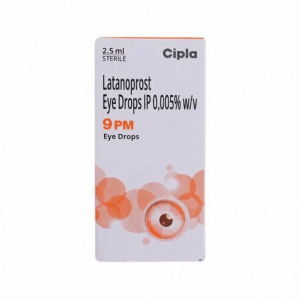 $16.00 – $86.00Price range: $16.00 through $86.00 Choose Pack This product has multiple variants. The options may be chosen on the product page
-
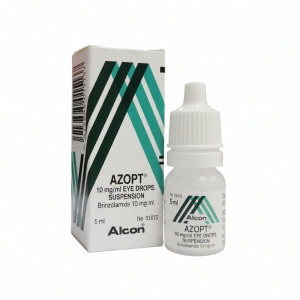 $19.95 – $90.26Price range: $19.95 through $90.26 Choose Pack This product has multiple variants. The options may be chosen on the product page
Reviews
There are no reviews yet.