
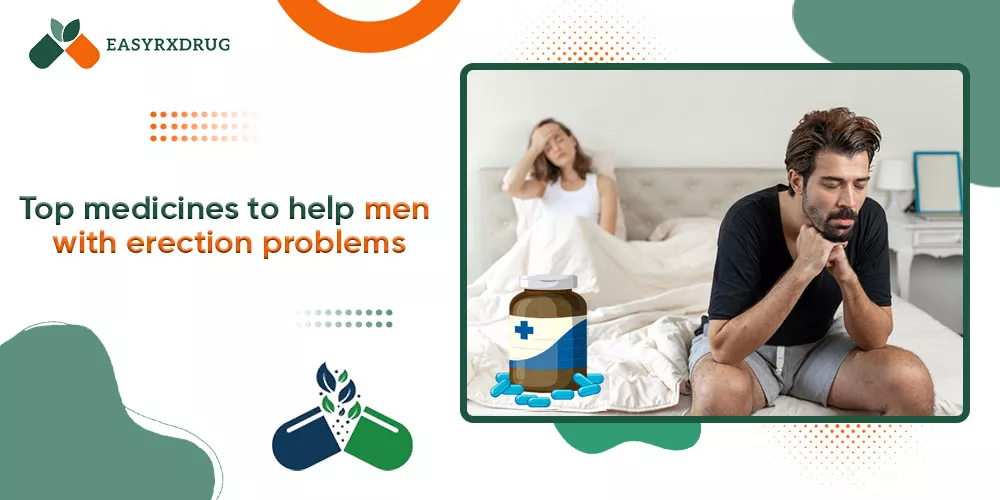
What Is Erectile Dysfunction (ED)?
Erectile dysfunction (ED) means not being able to get or keep an erection firm enough for sex. Sometimes, the erection doesn’t last long enough for sexual activity to finish.
Many men experience ED once in a while — especially when they’re stressed. But if it happens often, it could be a sign of a physical or emotional problem, and you should talk to a doctor.
ED can be caused by poor blood flow to the penis, nerve problems, or emotional stress.
ED vs. Premature Ejaculation (PE)
Premature ejaculation (PE) isn’t the only issue that can affect a man’s sex life.
ED happens when you can’t develop or maintain an erection during sex. If you think you may have ED, you can talk to a doctor or take a free online assessment.
Anxiety and Performance
It’s normal for men to worry about how long they’ll last in bed. This is called performance anxiety, and almost every man experiences it at some point. But constant anxiety can make ED worse.
Common Causes of Erectile Dysfunction
Physical Causes:
- Aging
- Diabetes
- High blood pressure
- Hardening of the arteries (atherosclerosis)
- Use of alcohol or tobacco
- Certain prescription medicines
- Fatigue
- Brain or spinal cord injury
- Radiation treatment to the testicles
- Stroke
- Surgeries on the prostate or bladder
Psychological Causes:
- Fear or anxiety about sex (especially after a bad experience)
- Feeling sad, depressed, or overwhelmed
- Worrying about your body or sexual performance
- Thinking your partner is unhappy with you
If you seek treatment, your doctor can help find the real cause and guide you toward the best solution.
Diagnosing Erectile Dysfunction
Doctors may do some tests to find the cause of ED, such as:
- Blood tests to check hormones or other health issues
- Urine tests for diabetes or other problems
- Nocturnal Penile Tumescence (NPT) test, which measures nighttime erections
- A referral to a urologist (a specialist in male sexual and urinary health)
Medicines for Erectile Dysfunction
Oral medicines are usually the first choice for treating ED.
They help most men get or keep an erection and usually have few side effects.
These include:
- Sildenafil (Viagra / Generic Viagra)
- Vardenafil (Levitra, Staxyn)
- Tadalafil (Cialis)
- Avanafil (Stendra)
These drugs increase the effect of nitric oxide, a natural chemical in the body that relaxes the muscles in the penis and improves blood flow.
How They Differ
All these medicines work in similar ways, but each one acts slightly differently in the body.
Your doctor will choose one based on your health, other medicines you take, and how long you want the effect to last.
Popular ED Medicines
- Sildenafil (Viagra): Take 1 hour before sex, preferably on an empty stomach.
- Vardenafil (Levitra, Staxyn): Take 1 hour before sex; can be taken with or without food. Works for 4–5 hours.
- Tadalafil (Cialis): Take 1–2 hours before sex; can be taken with or without food. It lasts the longest.
- Avanafil (Stendra): Works quickly and has fewer side effects.
All these medicines are available in generic form, which makes them more affordable.
Possible Side Effects
Common mild side effects:
- Headache
- Stuffy or runny nose
- Back pain
- Changes in vision (blue tint, blurred vision, or light sensitivity)
Rare but serious side effects may occur — always follow your doctor’s advice.
Buying ED Medicines Online
If buying online:
- Make sure the medicine matches the exact dose and name prescribed by your doctor.
- Avoid products that claim to be “herbal Viagra” or non-prescription alternatives — these can be fake or dangerous.
Other ED Treatment Options
The best treatment depends on the cause of your ED.
Common prescription options include Cenforce, Fildena, Vidalista, Malegra, Kamagra, Tadarise, Tadalista, Vilitra, Sildigra, Duratia, Zhewitra, Suhagra, and Tastylia.
1. Heart and Circulatory Health
Improving your overall health can also improve ED.
Doctors may suggest:
- Eating healthy foods
- Exercising regularly
- Taking vitamins and minerals
- Quitting smoking or alcohol
- Reducing stress and losing extra weight
2. Mental Health
Stress, anxiety, or depression can strongly affect your sexual performance.
Counseling or therapy can help you manage these feelings and improve your sexual confidence.
How Long Should Sex Last?
There’s no “right” duration for sex — it depends on you and your partner.
Many men worry about finishing too soon, but studies show men are usually more concerned about this than women.
If you or your partner are unhappy, talk openly — communication often helps more than you think.
Tips to Boost Sex Drive and Arousal
Your sex drive naturally changes throughout life. About 15% of men regularly experience a lower libido.
ED medicines help with erections, not with desire, so you need to boost arousal too.
Ways to Improve Libido Naturally:
- Eat foods like avocados, bananas, and figs (natural aphrodisiacs)
- Add antioxidant-rich herbs and spices to meals
- Avoid processed, fried, or sugary foods
- Stay physically active and sleep well
Strengthen Your Relationship:
- Have a weekly date night
- Share meals, like breakfast, to feel more connected
- Talk openly about your feelings and expectations
- Show affection — hold hands, cuddle, or maintain eye contact
Strong emotional connection often leads to better sexual intimacy.
Conclusion
ED is common, especially during times of stress.
If it happens regularly, it may point to a physical or emotional health issue.
It can be caused by blood flow problems, nerve damage, or mental tension.
The good news is that with medical help, healthy habits, and emotional support, most men can overcome erectile dysfunction and enjoy a satisfying sex life again.
For product-specific sildenafil details, see EasyRxDrug’s Cenforce 25 sildenafil information page. This is educational only and is not a substitute for medical advice from a licensed clinician or pharmacist.
For additional general safety context, readers can review NIDDK erectile dysfunction overview. This external reference is informational and does not replace guidance from a licensed clinician or pharmacist.