
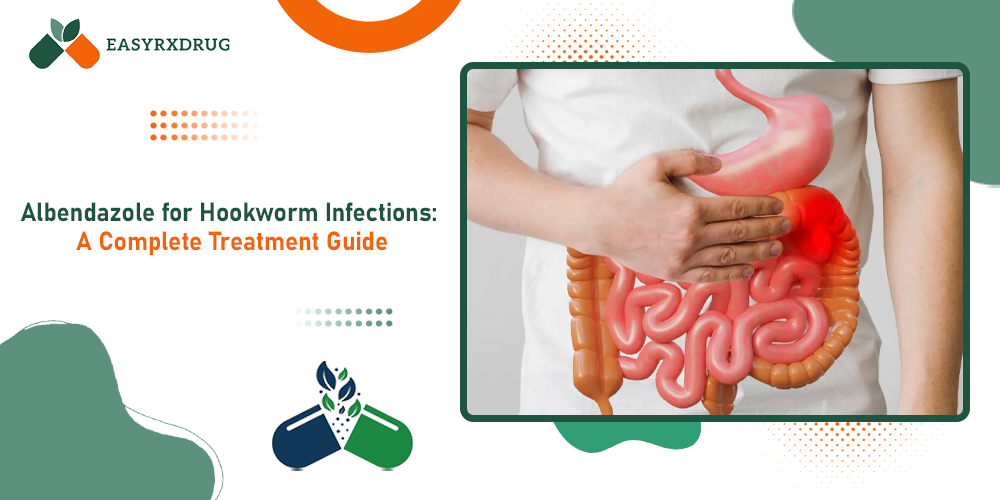
Understanding Hookworm Infections
Hookworm parasites represent a common infection, predominantly present within tropical and subtropical climates. Within the United Kingdom hookworm infections are uncommon and are more typically linked to visiting regions where these parasites are common.
Albendazole for hookworms is a proven treatment for certain infections of hookworm, however medication and length of treatment will differ according to diagnosis and individual factors.
What Exactly Are Hookworm?
The term hookworm refers to parasitic roundworms who infect the gastrointestinal tract of their hosts, with the adult worms attaching to the intestinal wall, feeding on the blood supply. This can lead to blood loss, resulting in iron deficiency anaemia, in some cases.
Ancylostoma and Necator americanus are two specific hookworm species that can lead to infection in humans.
Infection occurs when larvae within soil can penetrate the skin of an unsuspecting host.
Symptoms and Health Impact
In some patients hookworm infections may be asymptomatic or cause very mild symptoms in mild infections.
However possible symptoms may include:
- Itchy rash or skin irritation – a result of larvae penetrating the skin
- abdominal pains or discomfort – infection of the bowels can cause pain
- diarrhoea – some patients may suffer with bowel problems
- Feeling tired or weak – anaemia and general effects of the infection may make patients feel exhausted
- Iron deficiency anaemia – Heavy infections lead to blood loss from the bowel
It should be noted any child suffering with chronic infections may also be more susceptible to failure to thrive, malnutrition or anaemia.
Albendazole for Hookworms: How It Works
Albendazole is a common Benzimidazole anthelmintic, used to treat a number of parasitic worm infestations in adults and children, including hookworm infection.
The drug works by causing dysfunction and cell death by binding with tubulin, which is found in susceptible worms, inhibiting vital cellular function and disrupting microtubule assembly.
When treating hookworm infections a course of albendazole may be administered, although hookworms are generally successfully treated with albendazole depending on the severity of infection and parasite species without risk of reinfection unless treatment continues.
Recommended Hookworm Dose and Administration
While a single albendazole dose of 400mg has been recommended, the regimen and length of treatment can still vary depending on a variety of factors, in addition to the patient’s diagnosis.
Other treatment regimens or anti-helminthics may be recommended depending on the case.
As instructed by your prescribing clinician, Albendazole should be taken strictly as prescribed for the infection, treatment should not be continued if symptoms ease
Albendazole comes with a variety of specific instructions depending on treatment regimen. For instance when taking albendazole with or without food can vary, in some cases the drug is best absorbed when taken with a high fat meal.
Safety Information and Side Effects
Albendazole is generally safe and well tolerated, particularly with short course treatment. However adverse side effects may still arise.
Common side effects may include:
- Headaches
- Vertigo
- Nausea or vomiting
- Discomfort or pain within the abdomen
- Diarrhoea
More severe side effects are uncommon, however may be more evident in patients with long treatment courses or increased doses – such as abnormal liver function tests or abnormal blood cell counts.
Inform your doctor if suffering with abnormal liver function or are taking other medications.
Albendazole for hookworms is also contraindicated in pregnancy – informing a doctor of a possible pregnancy is therefore advised prior to taking this medication.
Prevention Measures of Hookworm Infection
While taking Albendazole for hookworm, or the treatment for hookworm parasites, is an essential element of managing hookworm infection, preventive measures to avoid infection are also relevant, as reinfection can easily arise.
Preventive measures include:
- To reduce the risk of infection and reinfection avoid walking barefooted (particularly in areas with known contaminated soil).
- Ensuring appropriate sanitation is in place and practicing good hand hygiene, such as washed hands with soap and water before eating.
- Using proper hand sanitisation and consuming clean food and drinks all help reduce risk of infection.
For those travelling to regions or countries with higher hookworm rates, further precautions should be considered.
Community prevention strategies focusing on improved sanitation and education are also essential to the control and prevention of hookworm infections.
Should a patient be concerned they may be experiencing symptoms from a hookworm infection, seeking the advice of a medical professional rather than a self-diagnosis is the safest method of hookworm management.
A faecal sample may be analysed to determine the presence of hookworms or hookworm eggs to confirm a diagnosis. A doctor will then determine whether Albendazole or an alternate treatment is needed to treat the hookworm infection.
Patients who travel to areas of high hookworm endemic regions, who then experience any unconfirmed gastrointestinal issues or persistent weakness or unexplained anaemia, should seek consultation for further faecal tests and management if symptoms occur.
In the event that symptoms persist after treatment or following an untreated infection, a further consultation may help determine further options.
Albendazole for hookworm: Conclusion
Albendazole for hookworm infections is a known and effective method of clearing these worm infestations, although may not prevent reinfection unless continued for a longer period, as recommended by a medical practitioner. In many cases of uncomplicated hookworm, a dose of Albendazole 400mg in a single tablet may be sufficient, however treatment, length of regimen and medication should be determined by a doctor, according to a patient’s diagnosis. Preventative measures are recommended alongside treatment as walking unshod and unhygienic sanitation habits can lead to re-infestation. If you think you may have a hookworm infection, visiting a qualified doctor for proper treatment is highly recommended rather than attempting to self medicate hookworm.
For related product details, readers can review the Albendazole 400mg Tablet information page. This link is for educational product information only; personal treatment choices should be discussed with a licensed clinician or pharmacist.
For additional general safety context, readers can review MedlinePlus albendazole information. This external reference is informational and does not replace guidance from a licensed clinician or pharmacist.